When a nation learns to stay home: The unfinished lesson of Saba Saba
by admin on | 2026-08-05 12:11:20 Last Updated by admin on 2026-10-04 07:59:50
Share: Facebook | Twitter | Whatsapp | Linkedin Visits: 279
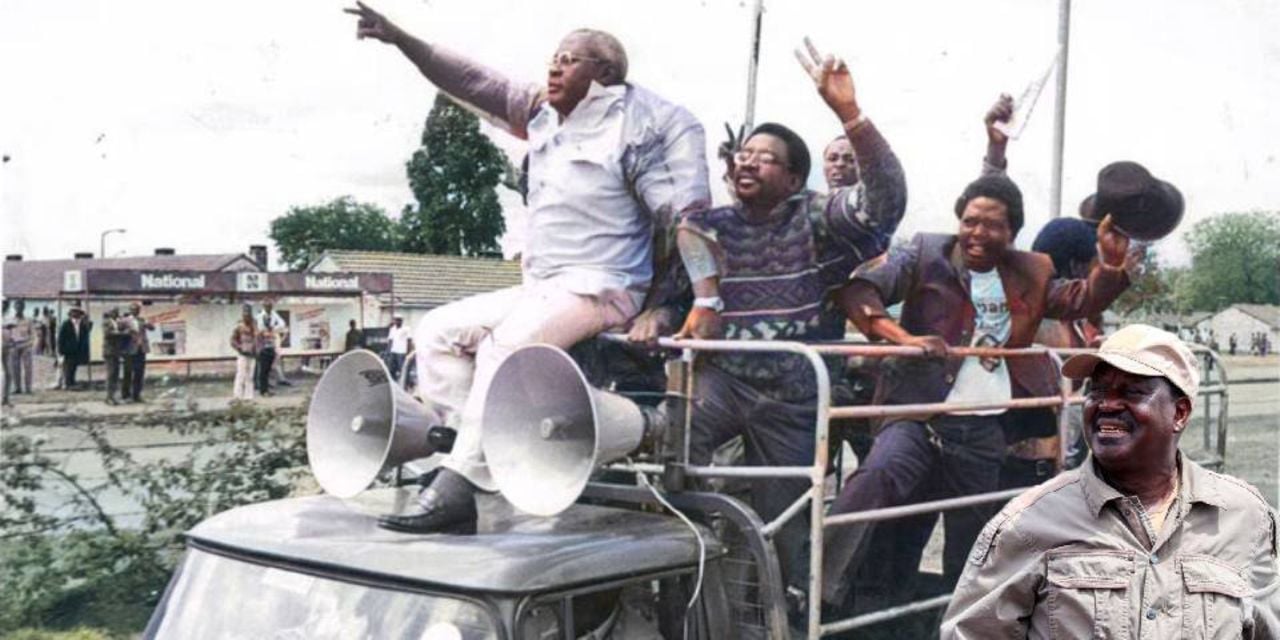
There is an African proverb that says until the lion learns to write, every story will glorify the hunter. Saba Saba is one of the few chapters in Kenya\'s history where the lion found its voice. On 7 July 1990, ordinary Kenyans walked into uncertainty armed with little more than conviction. They walked because they believed that a nation could not indefinitely imprison the aspirations of its own people. They did not know whether they would return home that evening. Some did not. Others returned bearing scars that would long outlive the events of that day. Yet they walked because freedom has always demanded courage before it bestows its rewards. The Government of the day believed it could outlast the aspirations of its own people. History proved otherwise. Governments panic. History does not. Those four words may well summarise the journey of our Republic. Three days before the planned Saba Saba rally at Kamukunji Grounds, former Cabinet Ministers Kenneth Matiba and Charles Rubia announced that the meeting would not proceed after the Government declined to permit it. Their decision did not shield them. They were arrested and detained. Their advocate, veteran advocate John Khaminwa, was arrested while seeking to discharge his professional duty on behalf of his clients. The expectation was unmistakable: remove the voices calling for reform and the movement would dissipate. It did not. Ordinary Kenyans gathered anyway. The response of the State was swift. Tear gas replaced dialogue. Batons replaced engagement. Live ammunition replaced persuasion. The unrest that followed spread beyond Nairobi and into the national conscience. Official accounts recorded at least twenty deaths and more than one thousand arrests. Yet the State won neither read more