History will not be whitewashed: Justice Omondi Tunya and the judiciary’s authoritarian past
by admin on | 2026-08-05 12:53:19 Last Updated by admin on 2026-10-04 08:54:58
Share: Facebook | Twitter | Whatsapp | Linkedin Visits: 5372
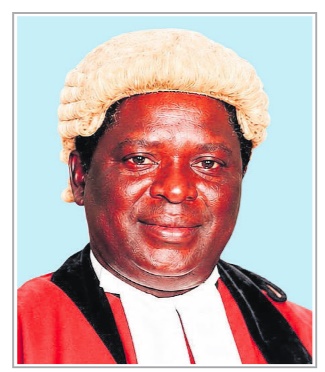
There are moments when a nation must pause before accepting the official version of its history. The death of a judicial officer is ordinarily an occasion for mourning, reflection and respect for the family of the deceased. But mourning must not become historical amnesia. Nor should institutional condolences become an occasion for rewriting the past. When the Chief Justice speaks on behalf of the Judiciary, her words carry particular institutional weight. They therefore deserve to be examined not merely as words of condolence, but against the historical record of the institution she leads. Chief Justice Martha Koome has recently described the late retired Justice Godfrey Omondi Tunya as a distinguished jurist whose decades of service helped strengthen Kenya’s administration of justice and uphold the rule of law in her obituary upon his death. She has praised his diligence, integrity and commitment to justice and suggested that his contribution forms part of the Judiciary’s enduring legacy. That is a generous institutional tribute. It is also an incomplete account of history. Justice Omondi Tunya was undeniably part of Kenya’s judicial establishment for decades. He rose through the magistracy, became Nairobi Chief Magistrate in 1990 and subsequently served on the High Court. But the relevant question for history is not simply how long a judicial officer served. The moredifficult question is what the institution did with the immense power entrusted to it at the precise moment when the country needed judicial courage most. Justice Tunya’s professional life intersected with one of the darkest periods in Kenya’s constitutional history: the authoritarian one-party state under President Daniel arap Moi. During the 1980s and early 1990s...read more