The ghost of Justice Philip Waki: Has Kenya outgrown, or merely institutionalized, state sponsored goonism?
by admin on | 2026-09-04 01:33:09
Share: Facebook | Twitter | Whatsapp | Linkedin Visits: 8324
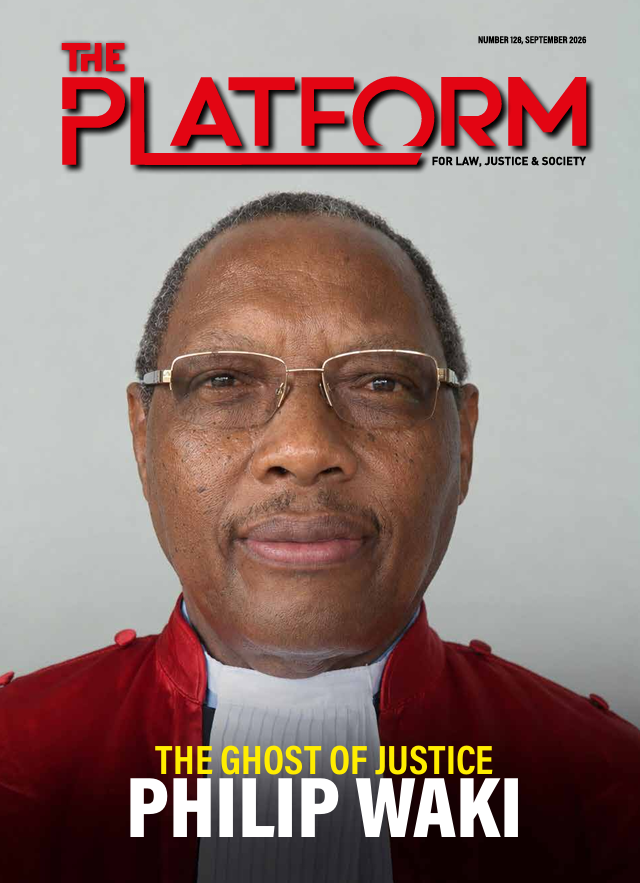
On 15 October 2008, Justice Philip Waki delivered to President Mwai Kibaki and the Panel of Eminent African Personalities a 529 page indictment of Kenya\'s political culture: the Report of the Commission of Inquiry into Post Election Violence (CIPEV), which determined that the deaths of at least 1,133 Kenyans following the 2007 election were attributable not to spontaneous ethnic conflict but to organised, financed and politically orchestrated violence, executed substantially by gangs recruited and remunerated by political and commercial elites. Seventeen years later, on 12 July 2026, armed men uniformly characterised in police statements and press reportage as \"goons\" assailed a church service and a political rally in Kisumu and Nyahururu respectively, days ahead of a parliamentary by-election in Ol Kalou, while the state security apparatus constitutionally obliged to safeguard both assemblies either failed to discharge that duty or, on credible allegation, acquiesced in its breach. This article interrogates the question its title poses directly: has Kenya outgrown the mechanism Waki diagnosed, or has it merely institutionalised it? Testing that question against the successive collapse of the domestic Special Tribunal and the International Criminal Court process, the documented recurrence of hired political violence across three subsequent electoral cycles, Kenya\'s constitutional guarantees under Articles 21, 37 and 244, and the 84.1 per cent probability of electoral violence a 2026 statistical index now assigns to 2027, the article concludes that Kenya has not outgrown its ghost. It has, rather, furnished the ghost a permanent address, and continues to service the tenancy. I. Introduction Ghosts, the old people say, do not haunt out of malice. They haunt because something was left unburied, some name unspoken, some debt unsettled, and they return to the same threshold,