A troublesome teenager: The state of the Constitution of Kenya, 2010, sixteen years later
by admin on | 2026-10-06 07:38:09
Share: Facebook | Twitter | Whatsapp | Linkedin Visits: 20
Introduction
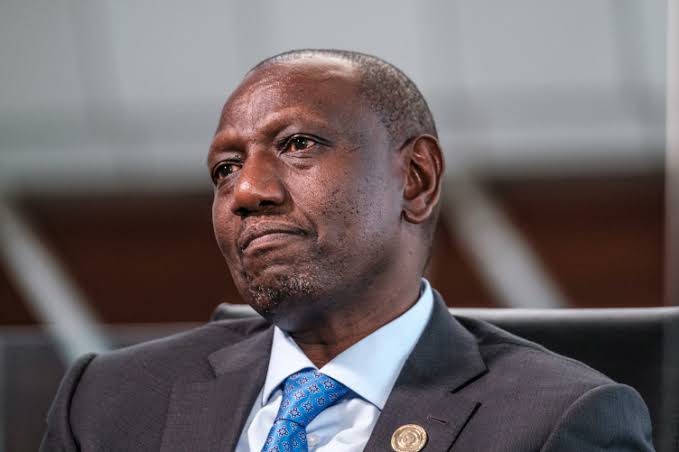
During the 2026 commemoration of Katiba Day, which incidentally should be made a national holiday, President William Samoei Ruto made, inter alia, the following remarks. He told the nation, “Our Constitution performs two equally important principles. First, it restrains power. It shares authority, establishes checks and balances, protects fundamental freedoms, and provide remedies against abuse. Second, it manages power. It commands the State to govern, protect, provide and progressively realize the social and economic rights of the people.”1 The President went on to affirm that, “During the protests of 2024 and those that followed, young Kenyans and other citizens exercised their constitutional freedoms to speak, assemble, demonstrate, picket and petition public authorities. Their message was clear, they wanted to be heard. They demanded greater accountability, better government, and a meaningful place in shaping the future of their nation. Those demands were not an assault on democracy, peaceful protests, criticism, and dissent essential to democracy. \"The President proceeded to qualify the above serendipitous message by stating, “Yet those protests also presented our Republic with a profound constitutional question. How do we protect the citizen’s right to protest while, at the same time, fulfil the State’s obligation to preserve constitutional order? ”Unfortunately, the presidential communication was followed the next morning by reported police action against small traders demonstrating against taxes they considered prohibitive. Therefore, some consequential questions could be posed, when citizens bequeathed to themselves their 2010 Constitution (Kuunda Katiba), did they simultaneously elaborate a sufficient plan regarding its full implementation (Kutekeleza Katiba), or did they merely trust that the ruling class would translate the letter of the Constitution into its spirit and practice? And concomitantly, did the political elite possess the political will and appetite for implementing the constitution from day one? For what is the worth of a constitution, laws, policies, standards or values that are not translated into the people’s development aspirations and outcomes? Reflecting on the ubiquitous tension between promulgated constitutional text and its effective application, Ghai Y.P., Kinama E. and Ghai, J.C. have commented:
“Making a constitution legally effective is perhaps easier than giving meaningful effect to it, so that it becomes the basis, successfully, for elections, policies, institutions, and a larger number of decisions. This is what we call ‘implementation’. Some provisions are easier to implement than others, depending on how far the new constitution differs from the previous one. The implementation of a constitution like the 2010 Constitution, prescribing major changes or additions in values, institutions and structures, is complex. Commitment to its implementation is often even more critical than its adoption (as the experience of many African states shows). The kinds of groups or parties which are or get into power areoften resistant to its implementation, given
its orientation (of democracy, accountability, integrity, and human rights – as with the 2010 Kenya Constitution).”
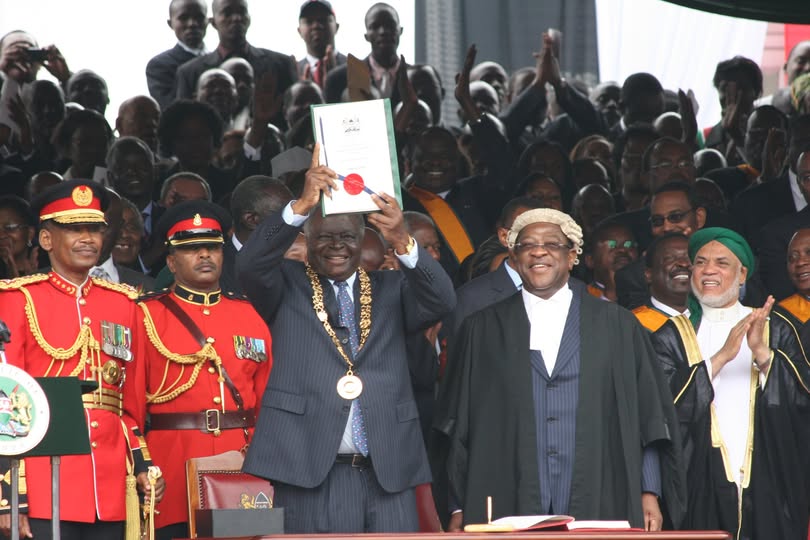
This paper examines the distance between the transformative promise of the Constitution of Kenya, 2010 and its implementation sixteen years after promulgation. It proceeds in four stages. First, it traces the dismantling of the 1963 independence Constitution and the popular struggle that culminated in the making of the 2010 Constitution. Second, it considers the record of constitutional implementation since promulgation and the continuing resistance by sections of the political elite to transformative constitutionalism. Third, it distills from the Constitution the principles that may constitute a citizens’ manifesto and a framework for evaluating political parties and those seeking public office. Finally, it argues that the 2027 general election should constitute a national audit of political leadership’s historical and contemporary fidelity to constitutionalism.